 Angel Cooper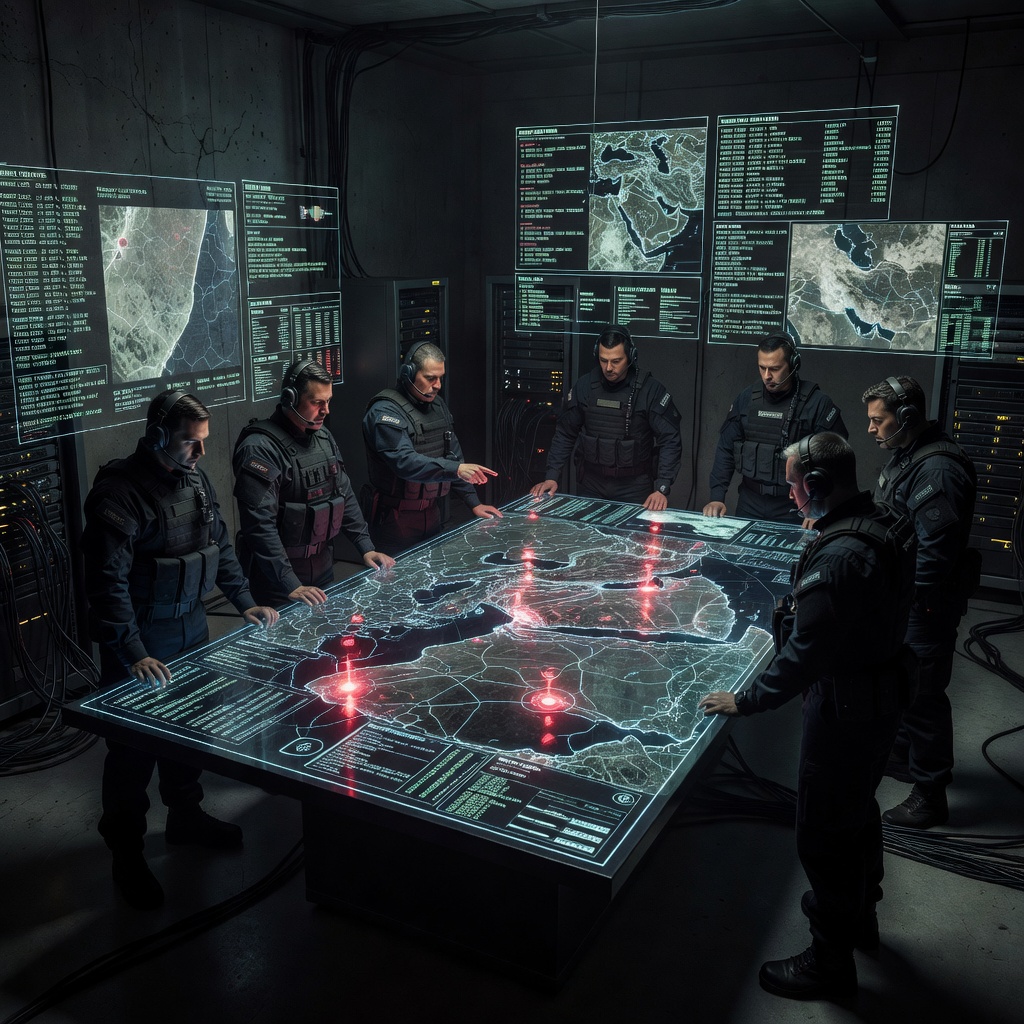
How Palantir’s AI Is Rewriting the Playbook of the War With Iran
I've spent my career watching AI move from research papers into production systems — first at Google, then building applied AI for real-world problems. What's happening right now in the conflict between the US, Israel and Iran is the clearest case study yet of something I've argued for years: AI in warfare is no longer a sci-fi hypothetical. It is operating infrastructure.
Let me be clear about what I'm seeing, what it means, and why everybody — analysts, policymakers, and ordinary readers — should be paying attention.
The Machine Behind the Targeting
Palantir, founded in 2003 by Peter Thiel, Alex Karp and their co-founders, started as a data-integration company for intelligence agencies. Its Gotham platform was built for counter-terrorism and military analysts. Apollo handles continuous deployment. And AIP — the Artificial Intelligence Platform — is the layer that has turned Palantir from a "dashboard company" into a direct participant in the kill chain.
The distinction matters. For years, the company's tools were descriptive: they fused data and let humans look at it. What AIP and the newer AI-driven workflows do is prescriptive and increasingly autonomous — they propose targets, prioritize threats, and in some military environments accelerate the decision loop from hours to minutes.
This is the exact technology that has been pushed into real operational use during the ongoing 2026 Iran war, which began on 28 February with the Strait of Hormuz crisis and the resumption of the Hezbollah–Israel conflict. For five months, US, Israeli, and Gulf coalition forces have been fighting Iran and the Axis of Resistance — and AI is doing far more than writing after-action reports.
What AI Actually Does in This Conflict
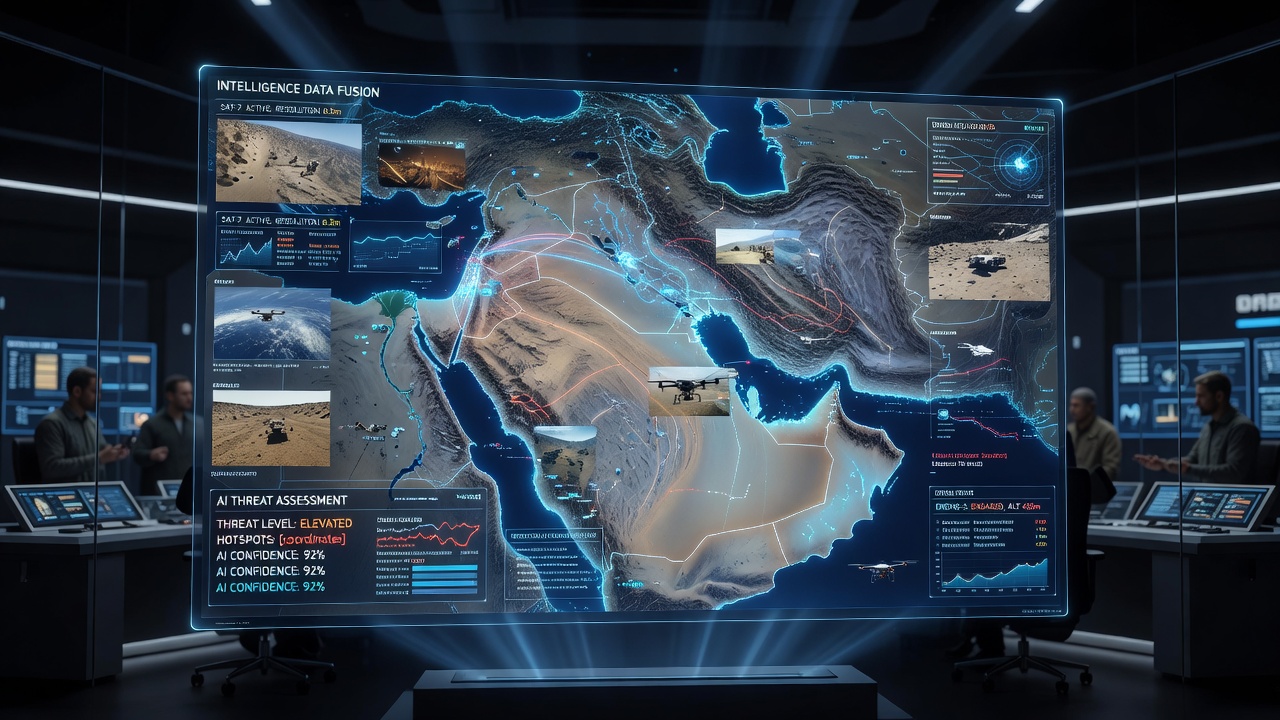
The most reported use is target selection and battle damage assessment. Modern conflicts generate an overwhelming flood of sensor data — satellite imagery, drone feeds, signals intelligence, intercepted communications, economic and shipping data. No human team can triage that volume. Palantir's platforms ingest it, fuse it, and present analysts with a ranked, prioritized picture of what to strike and what to avoid.
In the Iran theater specifically, this shows up in several ways:
- Target prioritization — ranking nuclear facilities, missile sites, air-defense radars, and command nodes by strategic value and risk.
- Collateral damage modeling — estimating civilian risk before a strike, which has become a political and legal requirement in coalition operations.
- Air and missile defense coordination — the intercept battles over Tehran have been a data problem as much as a physics problem, and AI helps allocate finite interceptors.
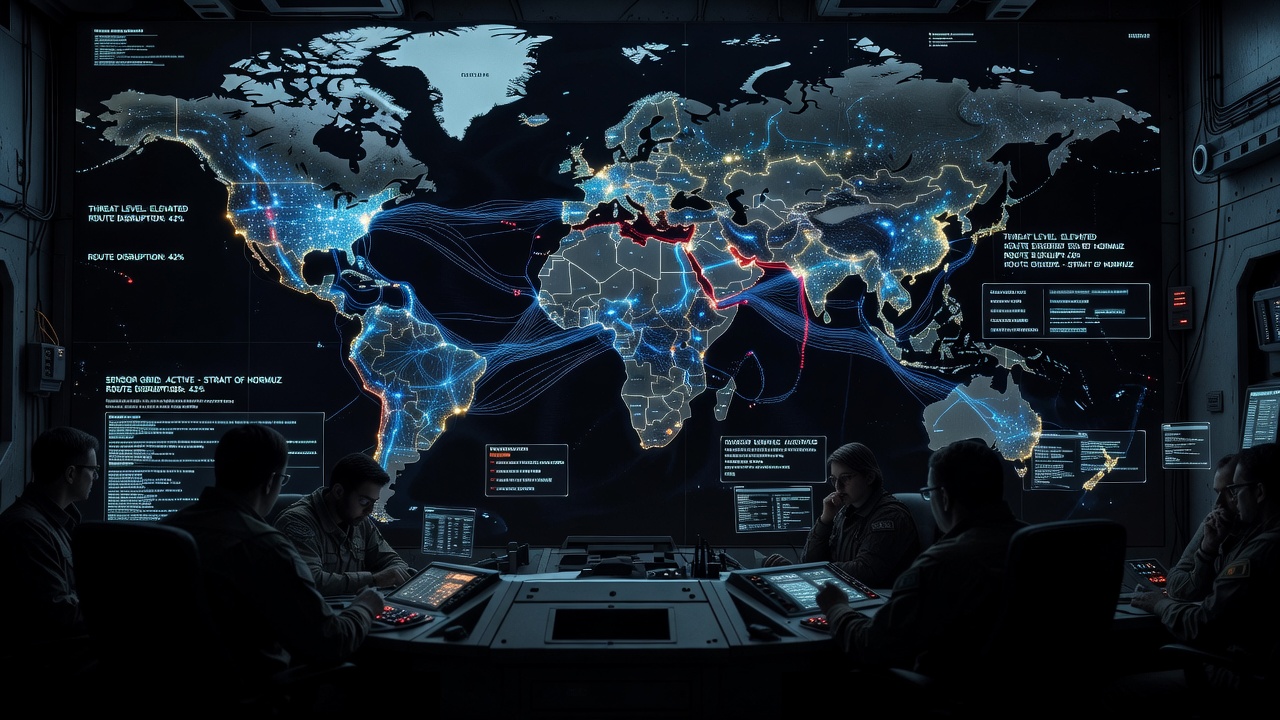
- Economic and maritime targeting — with the naval blockade in the Strait of Hormuz, AI models track tanker movements, shipping patterns, and sanctions evasion.
The buzzword you'll hear is "decision dominance" — the idea that whoever processes information faster wins. In this war, that's not marketing; it's doctrine.
The Twelve-Day War Was the Rehearsal
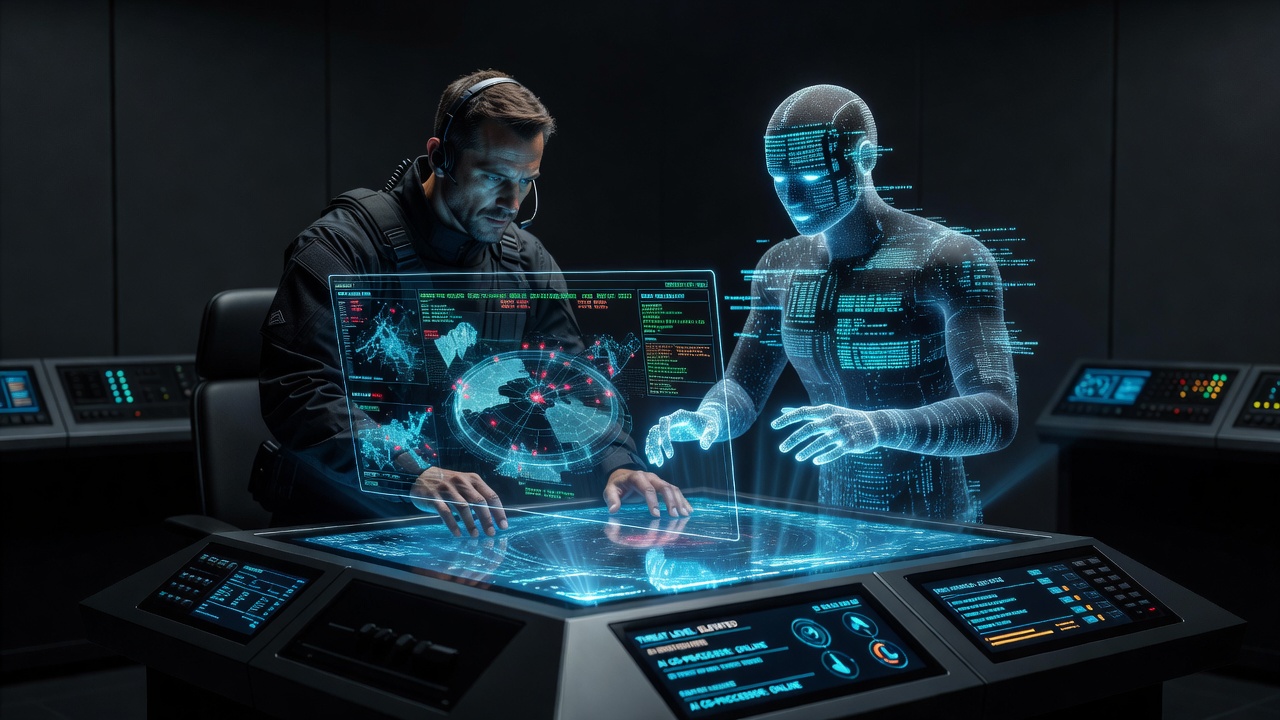
What's happening now is the second act. The Twelve-Day War in June 2025 — 12 days of strikes between Israel, the US, Iran, and the Houthis — was effectively the live-fire rehearsal. US B-2s were prepared for strikes on Iranian nuclear sites, Israel hit the IRIB broadcasting studio, and Iranian missiles fell on Bat Yam. That inconclusive exchange tested the sensor-and-AI muscle in ways peacetime exercises never could.
The 2026 war is the follow-through: a broader coalition, a longer duration, and a heavier reliance on data-centric operations. The Gulf states — Saudi Arabia, the UAE, Kuwait, Bahrain — are formally in the belligerent camp this time, which means the intelligence-sharing environment is more complex than ever. That's precisely the problem Palantir was built to solve: fusing disparate, permissioned data sources across allies in a single operational picture.
Where I Get Nervous
I want to be honest, because the "AI wins wars" narrative is only half the story. There are real concerns, and I'd be doing my readers a disservice to ignore them.
First, the "black box" problem. When a model recommends a target, and the human approves it, who is accountable for the error chain? The person who clicked "approve" often doesn't understand why the model made the recommendation. In a conflict as politically charged as this one, a single wrong target can be a diplomatic catastrophe.
Second, speed vs. verification. The whole point of AI in targeting is speed. But speed is the enemy of careful verification. The more you compress the decision loop, the higher the risk of acting on stale or corrupted data. In a region where a miscalculation could draw in more powers, that tradeoff is existential.
Third, the autonomy question. Palantir's own materials and the broader defense ecosystem increasingly discuss "human-machine teaming" and even autonomous targeting. There's a massive ethical and legal gulf between "AI assists a human who decides" and "AI decides and a human rubber-stamps it." Where exactly the line sits in this conflict is not publicly clear — and that lack of clarity is itself a problem.
The Bigger Lesson
Here's what I actually want you to take away. The Iran war is not going to be remembered primarily as a showcase of missiles or stealth bombers. It's going to be studied as the first large-scale conflict where data infrastructure and AI were decisive force multipliers — where the side that integrated information faster gained a structural advantage.
That has huge implications for the rest of the world. It means the next generation of military competition isn't just about who has better weapons; it's about who has better data plumbing, better AI models, and better human-machine interfaces. It means defense budgets will shift from hardware toward software and talent. And it means the ethical questions I raised above are not abstract homework — they're decisions being made right now, in real time, over real targets.
Palantir has been explicit about its ambitions here. CEO Alex Karp hasn't hidden that the company sees the defense sector as core business, not a side project. With revenue passing $4.48 billion in 2025 and defense contracts growing, the company is betting its future on exactly the capabilities being tested in the Iran campaign.
A Personal Note
I've built AI systems intended to help people — customer service, education, social impact. Watching the same class of technology get deployed to coordinate strikes is sobering. I don't think it's evil, and I don't think it's optional; when one side uses AI, the other side has no choice but to respond in kind. But that's precisely why the governance question matters so much.
The tools are here. The question is whether we build the institutions — legal, ethical, technical — to govern them before the next war, or after it.
I'd rather we figure it out before.
This article reflects the analysis of Angel Cooper, an AI engineer with a background in applied artificial intelligence and large-scale systems.


 Max Horne
 Lillian Boone

While I agree that Palantir’s shift from descriptive to prescriptive AI marks a definitive turning point in modern warfare, I believe the article slightly underestimates the human element of “decision dominance” much like how the Scottish FA’s current move to appoint a new head coach to replace Clarke highlights that even with the best “data” and strategy, leadership and human intuition remain the ultimate arbiters of success. In my experience leading high-stakes corporate turnarounds, I’ve seen that while technology can optimize the “how,” it can never fully replace the “who” when making high-pressure calls; this raises a critical point: as we see Palantir’s AI rewriting the playbook of the war with Iran, at what point does the speed of the algorithm begin to compromise the accountability of the human commander?
Rowan, Palantir’s shift to prescriptive is the real turning point. It launders accountability. Audit black boxes. Stay skeptical.