Max Horne
FBI Spy Hunter Joe Navarro: Decode Body Language, Catch Traitors – Expanded Edition
Introduction: From Refugee Trash Bins to FBI Legend
Joe Navarro’s story reads like a thriller scripted by evolution and espionage. A Cuban refugee who arrived in America at age eight speaking no English, Navarro scavenged books from trash bins to self-educate, devouring everything from grammar texts to psychology primers in his quest to understand his adopted homeland. This wasn’t casual reading it was survival. Each discarded textbook became a lifeline, each library visit a tactical mission to decode the invisible rules governing American social life.
From these humble beginnings, Navarro rose through 25 years at the FBI (1978 2003), mastering counterintelligence, behavioral analysis, SWAT operations, and even piloting surveillance aircraft. His career spanned the Cold War’s final act, the post-Soviet chaos, and the dawn of 21st-century terrorism. He wasn’t just observing criminals he was dissecting spies, terrorists, and traitors at the cellular level, learning to read the microscopic tremors that betray conscious deception. His crowning expertise? Body language the silent language of survival that betrayed spies, terrorists, and traitors before they uttered a single lie.
In a revealing interview, Navarro distills decades of catching nuclear code thieves and deep-cover “illegals” into tools for everyday life. This isn’t pop psychology peddled by TED Talk gurus; it’s paleo-wired heuristics refined in high-stakes FBI interrogation rooms, surveillance vans, and clandestine meetings where one wrong read could cost American lives. Harvard studies showing 75 80% accuracy in “thin-slice” judgments made in milliseconds validate what Navarro learned in the field: your limbic system screams truth while your neocortex constructs lies.
From furrowed brows signaling doubt to thumb-tucked hands screaming fear, from lip compression revealing disagreement to ventilating behaviors exposing stress, Navarro’s insights offer a tremendous advantage in reading people faster than words can deceive. This article unpacks his framework, spy-busting cases, negotiation hacks, and future ripple effects, drawing parallels to history’s greatest deceivers and tomorrow’s surveillance states.
The Evolutionary Roots of Body Language: Wired for Survival
Navarro’s philosophy rests on a pragmatic, almost Darwinian truth: humans are prehistoric machines optimized for survival over 2.4 million years of hominin evolution. Nonverbal cues aren’t cultural fads or learned behaviors; they’re innate, universal responses etched into our neurobiology by predators, scarcity, tribal warfare, and environmental threats. These responses predate language by millions of years our ancestors read body language long before they could conjugate verbs.
The evidence is overwhelming. Blind children, who’ve never seen a human face, cover their eyes upon receiving bad news a protective gesture with no visual model. Babies furrow their glabella (the region between the eyebrows) at just 47 seconds old when experiencing discomfort, long before cultural conditioning could teach them to fake distress. Fetuses in the womb mimic their mother’s speech cadence and rhythm, preparing for communication before breath. Navarro cites these examples to hammer home a revolutionary point: your body doesn’t lie because it can’t it’s running 200-million-year-old software your conscious mind can’t easily override.
These “paleo-circuits,” as anthropologist Dr. David Givens calls them, operate on a binary system: comfort versus discomfort. When relaxed, humans display “gravity-defying” behaviors bouncing on heels, animated gestures, expansive postures. Under stress, we revert to primal survival modes: freeze (become statue-still), flight (create distance, block with objects), or fight (territorial expansion, aggressive displays). Navarro spent decades cataloging these tells in the FBI’s Behavioral Analysis Program, creating a taxonomy that would make Darwin proud.
The Architecture of Honest Signals
Key signals form clusters for reliability never diagnose from a single tell. Navarro emphasizes the “rule of clusters”: three consistent signals pointing the same direction constitute actionable intelligence. Here’s his extended catalog:
Facial Stress Indicators:
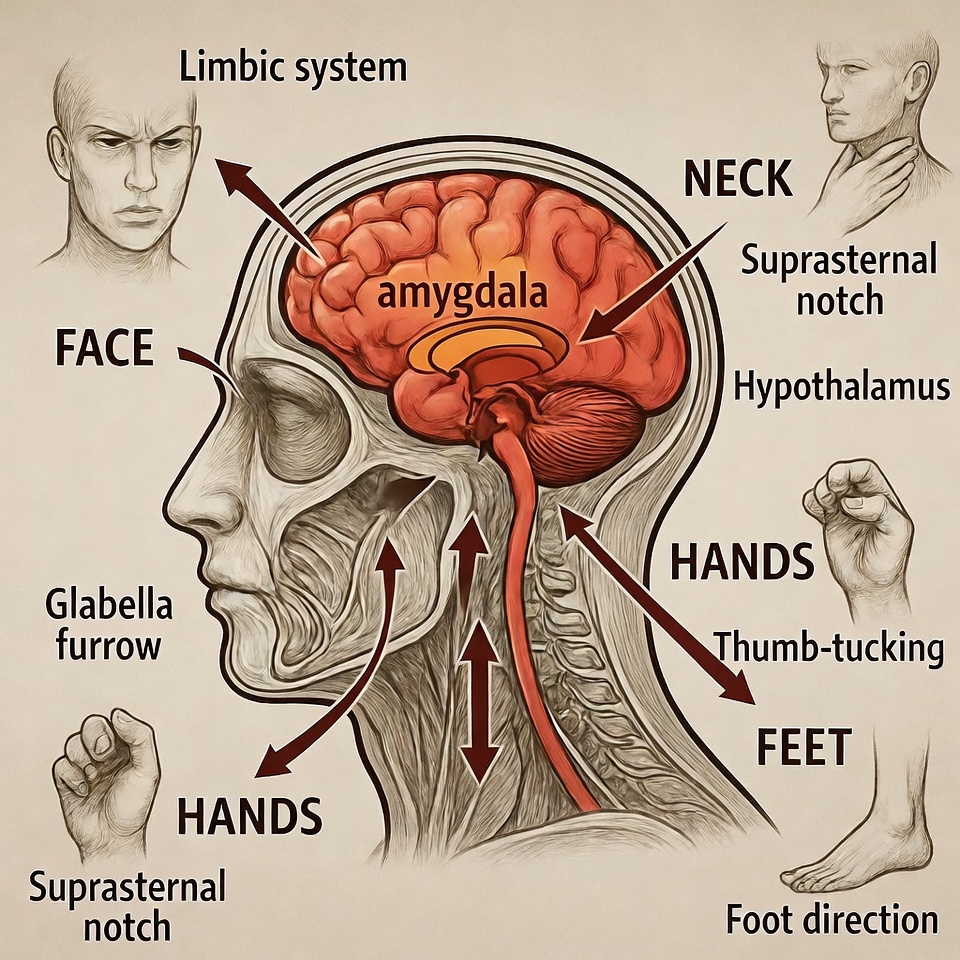
– Furrowed glabella or “eyebrow knitting”: Signals doubt, dislike, or cognitive dissonance. When someone’s eyebrows pinch together creating vertical lines, their brain is processing something negative. Navarro observed this in dozens of suspects reviewing evidence the moment they saw proof, their glabella furrowed involuntarily.
– Lip pursing or compression: Indicates disagreement or discomfort. When people disapprove but can’t speak, their lips vanish into a thin line. Watch corporate meetings dissenters purse before speaking.
– Eyelid flutters or face-touching: Self-soothing pacifiers. Increased blink rate (normal is 16 20 per minute) or touching the face releases calming endorphins. Liars often touch their nose not Pinocchio’s growth, but increased blood flow from stress hormones.
– Jaw tension and teeth clenching: Visible in the masseter muscle (jawline bulge). Under interrogation, guilty parties clench involuntarily, preparing for confrontation a mammalian aggression precursor.
– Nostril flaring: Oxygenation response to stress or arousal. Ancient signal for fight-or-flight preparation, still visible in athletes before competition or suspects before confession.
Neck and Torso Signals:
– Touching the suprasternal notch (the dimple at the base of the throat): Betrays insecurity or fear evolutionary neck protection from predators. Women do this more than men, covering vulnerability. Navarro calls it the “neck dimple tell” when a spy touched it three times in five minutes, he knew the questioning was hitting targets.
– Freezing or “still face”: Mimics threat paralysis, the oldest survival response. When predators hunted by movement detection, stillness meant survival. Modern humans freeze when caught in lies their limbic system hijacks motor control.
– Ventilating behaviors: Pulling collar away from neck, tugging shirts, fanning oneself. Stress triggers vasoconstriction and sweating; ventilating cools the body. Watch politicians during scandals collar pulls spike.
– Shoulder shrugging: Full shrugs (both shoulders to ears) signal “I don’t know” or lack of confidence. Partial shrugs betray half-truths. Navarro caught traitors in partial shrugs when claiming innocence.
– Torso distancing: Leaning away, turning shoulders, creating barriers with objects. The torso is honest it points toward safety, away from threats. In meetings, torso orientation reveals true alliances.
Hands and Posture The Most Honest Tools:
– Steepling fingers: Projects confidence and authority. Fingertips touching in a church-steeple shape signals certainty. Executives do this when dominating; when their hands break apart, doubt creeps in.
– Thumb-tucking into pockets: Hides vulnerability. Dominant displays show thumbs (thumbs-out pocket stance); stress hides them. Navarro noticed spies tucked thumbs when discussing operations.
– Dominant postures: Expand territory manspreading, arm-spreading, claiming space. Evolutionary display: bigger appearance deters rivals. CEOs average 6 inches taller than population norms; height correlates with authority.
– Finger pointing: Full-hand pointing (open palm, all five fingers) shows inclusiveness; single-finger pointing feels aggressive and accusatory. Political coaches teach the full-hand point.
– Interlaced fingers pressed together: High stress or praying hands seeking comfort through self-touch. When fingers squeeze white, anxiety peaks.
– Hand-to-face increase: Anxiety pacifier touching cheeks, covering mouth, rubbing temples. Each touch releases calming neurotransmitters. Guilty suspects touch faces 50% more than innocent ones.
– White-knuckle gripping: Armrests, table edges, or knees. Visible tendon strain shows emotional intensity preparing to flee or fight.
Leg and Feet The Most Neglected Tells:
– Foot direction and bouncing: Feet point toward desired exits or people they trust; bouncing (gravity-defying) shows happiness. Interrogators watch feet they don’t lie. When toes angle toward doors, subjects want escape.
– Leg crossing/uncrossing: Closed postures (ankles locked, legs crossed away) signal discomfort; open stances show confidence. Women cross more than men, but sudden shifts matter most.
– Knee clasp: Hands gripping knees a “catapult position” ready to launch. Signals someone wants to leave immediately.
Harvard psychologist Nalini Ambady’s thin-slicing research validates this: observers predict teacher effectiveness or surgical outcomes with 75% accuracy from 3-millisecond video clips less than a single frame of film. Navarro argues words lag behind; nonverbals precede speech by 200 500 milliseconds, giving a “tremendous advantage” in negotiations, parenting, or spotting lies. Your body announces decisions before your mouth opens.
Counterarguments like cultural variance crumble under scrutiny. Yes, eye contact norms vary (Western directness vs. Asian modesty), and personal space differs (Latin closeness vs. Nordic distance). But core stress signals furrowed brows, lip compression, neck touching, freezing appear universally. Babies worldwide respond identically, proving universality. Navarro tested this across 50+ countries; the limbic system doesn’t care about borders.
FBI Career: Hunting Spies with Behavioral X-Rays
Navarro didn’t learn this in a classroom or psychology seminar. Starting in 1971 as a refugee teen working odd jobs, he joined the FBI in 1978 at age 24, rising through counterintelligence divisions and eventually the Behavioral Analysis Program (late 1980s 1990s). There, he didn’t analyze hypothetical criminals he sat across from live spies, terrorists, and traitors, people who’d spent years mastering deception, trained by KGB or GRU instructors in anti-interrogation techniques.
His career spanned explosive eras: Soviet endgame espionage (1980s), post-Cold War chaos as Eastern Bloc agents scrambled for new handlers (1990s), and early counterterrorism (pre-9/11). He worked cases involving nuclear secrets, biological weapons intel, military technology theft, and deep-cover “illegals” undocumented operatives living as Americans for decades, waiting for wartime activation. He blended SWAT tactics (high-risk arrests, hostage scenarios) with surveillance piloting (flying reconnaissance over suspected drops) and intensive behavioral interviewing.
The FBI’s Behavioral Analysis Program, where Navarro cut his teeth, was revolutionary. Unlike CIA’s polygraph dependency or local PD’s “good cop, bad cop” routines, BAP focused on nonverbal tells and strategic empathy. Navarro studied videotaped interrogations, isolating micro-expressions (facial flashes lasting 40 milliseconds), pacifying behaviors, and deceptive clusters. He learned that gadgets failed; behaviors won. Polygraphs register stress, not lies even innocent people fail under pressure. But body language? That’s a direct line to the limbic system’s truth.
Spies betray themselves via “comfort-discomfort” tells subtle leaks from the subconscious that no amount of training fully suppresses. Even Robert Hanssen, the FBI’s most damaging traitor (arrested 2001), showed tells: excessive watch-checking (operational stress about meeting handlers), ventilating behaviors before drops, and avoidance of certain topics. Navarro’s mission after retirement? Democratize this edge. “My life purpose is sharing FBI spy experiences to make life easier,” he says, countering his poverty-stricken origins. Knowledge, not wealth or pedigree, becomes the equalizer.
Applications span personal (self-assess anger via stomach tension, regulate before exploding) to professional (hire by watching problem-solving emotions joy signals competence, frustration reveals defeatism). In business, read fears to tailor pitches if a client touches their neck when discussing budgets, price is the sticking point. In parenting, tilt your head to double facetime with kids head tilts signal openness across primates, increasing communication by 100% per Navarro’s observations.
Iconic Spy Cases: When a Trembling Cigarette Doomed a Traitor
Navarro’s transcript brims with real-world validations cases where split-second behavioral reads unraveled multi-year espionage operations. These weren’t lucky guesses or intuitive hunches; they were systematic applications of paleo-circuit theory tested under extreme stakes. Here’s an expanded table of pivotal cases where body language cracked espionage rings:
| Case | Behavioral Cue | Outcome | Impact | Additional Context | ||
|---|---|---|---|---|---|---|
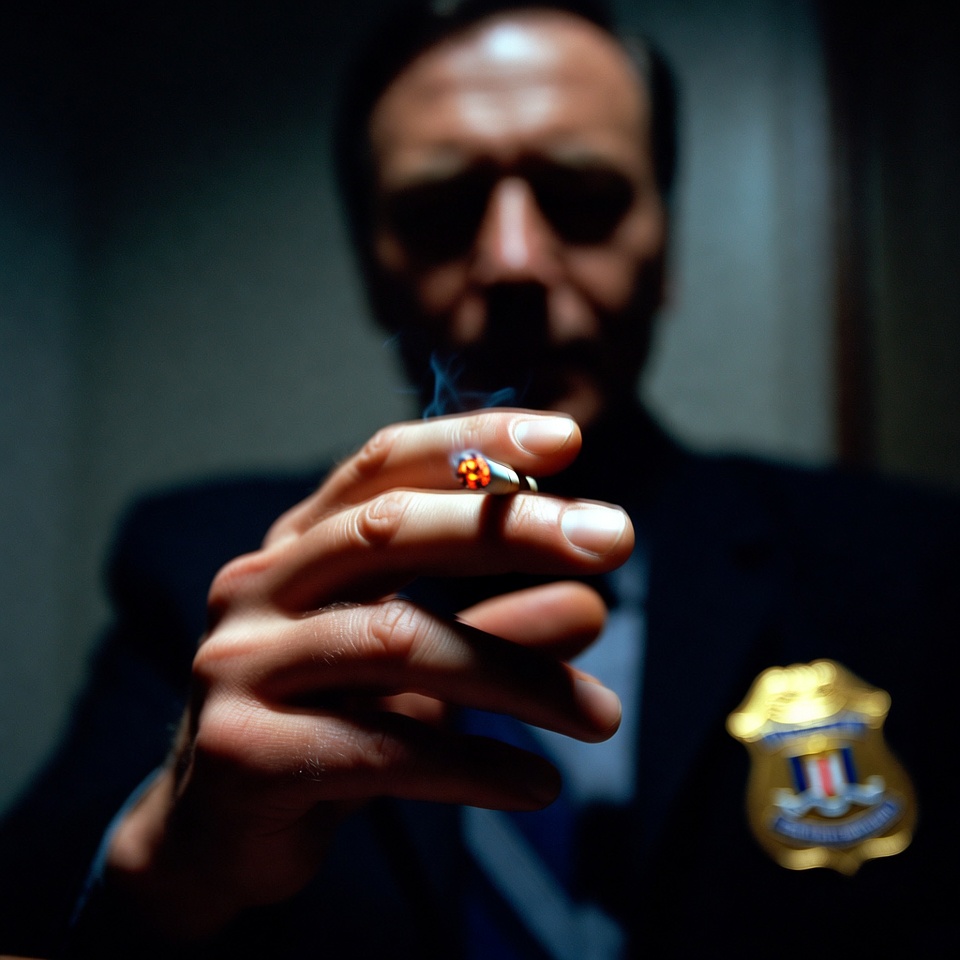
| Rod Ramsay (1989, US Army Traitor) | Cigarette shook twice when Navarro mentioned a key handler’s name pure physiological stress betraying recognition. Ramsay’s hand was rock-steady discussing everything else, but two tremors at one name triggered a decade-long investigation. | Sparked a 10-year FBI/military intelligence probe; Ramsay arrested in 1990 after stealing nuclear “go-codes” (authentication codes for US tactical nukes in Germany), sold to Soviets via Hungary. Investigation nabbed 7 additional spies in the ring. | Labeled America’s most damaging espionage case of the era; a NATO general warned it assured Western Europe’s defeat “in 3 days” if Soviets had launched. Ramsay got 33 years federal prison. His codes could’ve authenticated fake nuclear launch orders, paralyzing NATO’s response during Soviet invasion. | Ramsay was a decorated sergeant, trusted with nuclear site access. The cigarette tell came during a “routine” security review Navarro noticed the physiological impossibility of coincidental tremors. Follow-up surveillance caught dead drops, cash transfers, and Hungarian embassy contacts. The case reshaped nuclear security protocols worldwide. | ||
| Unnamed Eastern European Illegal (1990s) | Held Valentine’s bouquet downward, stems up (cultural tell Americans hold flowers upward, heads showing). This microscopic difference flagged non-American upbringing despite perfect English and decade-long US residency. | Confronted in low-key meeting; chin dropped, heavy eyelids (shame/defeat signals) appeared on exposure. Flipped as FBI cooperator within 48 hours, revealing network details. | Exposed sabotage network: pre-positioned weapon caches targeting bridges, railways, airports for wartime chaos. Dozens of illegals identified. No espionage crime beyond immigration fraud, so subject released after debriefing. | This “illegal” had lived as an American for 15+ years marriage, job, community ties. The bouquet tell happened by accident during surveillance of suspected operatives on Valentine’s Day. Navarro recognized the Soviet-taught etiquette: flowers down (respectful) vs. American casual upward hold. The illegal’s training decades prior in Moscow betrayed him. Post-flip intel revealed illegals are activated only during war, not peacetime spying their mission is infrastructure chaos. | ||
| Anonymous Chinese Student Spy (2000s) | Excessive photocopying in university libraries (operational behavior systematic doc collection), always alone, methodical patterns (every Friday, 3-4 hours, technical journals). Surveillance noted rigid routines inconsistent with student randomness. | Interviewed; showed neck touching, ventilating, and frozen smile when asked about research purposes. Admitted to handler direction, providing copied materials to Chinese MSS (Ministry of State Security). Deported, not prosecuted. | Highlighted China’s “thousand grains of sand” strategy recruit students en masse for low-level intel gathering. No single student steals crown jewels, but aggregate data maps US R&D landscape. FBI estimates hundreds active in US universities currently. | This wasn’t a lone wolf China deploys students as collectors, not traditional spies. The behavioral tell wasn’t deception but operational rigidity: students browse randomly, spies systematically. Navarro notes most aren’t ideologically motivated; many are coerced via family pressure in China. Prosecution is rare (diplomatic tensions, proof challenges), but exposure derails their missions. | ||
| General Patterns Across Multiple Illegals/Traitors | Frequent watch-checking (timed meeting stress handlers demand punctuality, creating observable anxiety spikes at specific times); odd flower-holding; gait inconsistencies (military training creates posture/stride patterns that persist despite civilian cover); over-rehearsed backstories (delivering life details without emotional affect lies lack limbic resonance). | Dozens arrested over Navarro’s career; revealed 3 85% of diplomats from hostile nations (Russia, China, Cuba) function as intelligence officers under diplomatic cover. US hosts a “constellation” of dozens of deep-cover agents active at any time. | Highlighted “illegals” (undocumented sleepers for wartime chaos pre-positioned assets like the 2010 Russian spy ring arrested in suburbs) and student spies (China’s tactic, e.g., library photocopying). Reshaped FBI’s behavioral surveillance training, making nonverbal analysis mandatory for counterintelligence agents. | Navarro emphasizes the scale: major adversaries embed intelligence officers as 30-85% of their diplomatic staff (protected by immunity). Illegals are rarer but more dangerous no diplomatic protection, living as Americans (or Canadians, Europeans) for 10-30 years, activated only in crisis. The 2010 “sexy spy” ring (including Anna Chapman) validated Navarro’s warnings they’d lived undetected for decades until behavioral surveillance flagged them. Student spies are newest evolution low-risk, high-volume intelligence gathering that’s hard to prosecute but mappable via behavioral patterns. |
These weren’t flukes or dramatic confessions they were systematic behavioral reads backed by surveillance. Nation-states embed spies as diplomats (legal cover, immunity), students (access to research), scientists (technical expertise), or businessmen (commercial espionage). Traitors (insiders like Ramsay) are deadlier than foreign agents they have access, trust, and knowledge of security gaps. Industrial-scale theft via insiders filming documents or copying drives is the real modern threat, dwarfing Hollywood’s exotic spy fantasies.
The Anatomy of a Behavioral Takedown
Navarro describes the process: First, pattern disruption triggers scrutiny someone acts inconsistent with their role (students who never socialize, diplomats who avoid embassy events, soldiers overly interested in unrelated systems). Second, apply behavioral probes introduce stimuli (names, places, topics) and watch for microexpressions, pacifiers, or physiological leaks (sweating, tremors, ventilating). Third, confirm with clusters one tell is noise, three is signal. Finally, build prosecutable evidence behavioral analysis directs surveillance to find dead drops, cash, comms.
The Ramsay case exemplifies this: The cigarette tremble was step two a probe reaction. FBI then surveilled Ramsay for months, catching meetings, financial anomalies, and finally the smoking gun: classified documents in his possession. Without the initial behavioral flag, Ramsay might’ve operated for years more.
Negotiation Mastery: Control Time, Posture, and Synchrony
Negotiation, per Navarro, is “communication with purpose” not a battle, but a dance. The goal isn’t crushing opponents; it’s aligning interests while protecting yours. Forget quick wins; maximize facetime and rapport-building opportunities. Here are extended strategies from FBI hostage negotiations to boardroom deals:
Temporal and Spatial Dominance
Slow the pace to control the frame: Rushed negotiations favor the aggressive party. Navarro learned in hostage situations that slowing time taking breaks, repeating points, asking clarifying questions shifts power. When someone demands immediate answers, respond: “That’s important, let’s take time to do this right.” This reframes urgency as their weakness, not your problem.
Claim height and seating strategically: Taller people dominate 3% of men are 6’4″+, yet they comprise 39% of Fortune 500 CEOs (a 13x overrepresentation). Navarro advises subtle adjustments: If shorter, suggest standing meetings or slightly raise your chair pre-meeting. If hosting, arrange seating where sunlight or visual distractions affect them, not you. This isn’t petty primate hierarchies run on perceived size. Courtrooms seat judges elevated for this reason.
Control environmental variables: Temperature (cold rooms increase concession-seeking people want to leave), noise (distractions reduce their focus), and seating arrangements (side-by-side feels collaborative, across-the-table adversarial). FBI interrogators manipulate all three to maximize cooperation.
Rapport and Synchronization
Mirror naturally: Humans unconsciously sync with those they trust gestures, cadence, even breathing. Navarro calls this “isopraxism” (matching behaviors). In negotiations, subtly mirror their pace: If they speak slowly, slow down; if animated, increase energy. Mismatches kill deals fast-talkers feel rushed by slow responders, thoughtful people overwhelmed by aggressive pushers. The trick: natural mirroring, not mimicry. Pause 3 seconds before matching to avoid obvious copying.
Greetings set the tone: Handshakes communicate volumes. Firm (not crushing) pressure, palm-to-palm contact, 2-3 seconds, with eye contact and a smile signals confidence and openness. Limp handshakes suggest passivity; bone-crushers, insecurity masked as aggression. Navarro notes cultural variations (bows in Japan, cheek kisses in France) but emphasizes matching the counterpart’s greeting style builds instant rapport.
Steeple hands for authority: When making key points, steeple your fingers (tips touching, palms apart). This displays confidence in your position. When uncertain, hands drop. Observers subconsciously read steeple as competence. Pair with full-hand pointing (open palm, five fingers) over single-finger pointing, which feels accusatory and triggers defensiveness.
Emotional Intelligence and De-escalation
Address emotional vents first: Humans’ evolutionary bias prioritizes threats over opportunities. In negotiations, if the counterpart seems angry or stressed, address emotions before facts. Ask: “You seem concerned what’s worrying you?” Acknowledging feelings validates them, releasing emotional pressure. FBI hostage negotiators spend 70% of time on emotional de-escalation, 30% on tactical problem-solving. Ignoring emotions guarantees failure; addressing them builds trust.
Against bullies, slow and de-escalate: Aggressive tactics (yelling, ultimatums, threats) trigger fight-or-flight. Navarro’s rule: Never match aggression it escalates into unwinnable conflicts. Instead, slow your speech, lower your voice, and use calming gestures (open palms, minimal movement). This forces the aggressor to adjust to your pace, shifting control. In FBI training, agents practice “tactical calm” appearing unaffected by hostility, which disarms most bullies (their power comes from your reaction).
Read and respond to discomfort: When counterparts show neck touching, ventilating, or lip compression, you’ve hit a sticking point. Navarro advises not ignoring it address directly: “I sense some hesitation what’s your concern here?” This transforms a hidden objection into a solvable problem. Ignoring it means they’ll sabotage later.
Vocal and Physiological Tools
Deepen tone: Voices signal authority Margaret Thatcher trained her voice lower to project leadership; Churchill and MLK naturally spoke in bass registers. Navarro suggests practicing lower tones (not fake deep, which strains) for key statements. Say “no” firmly, low, and with finality; wavering or rising intonation sounds uncertain.
Avoid weak signals: Neck touching (insecurity), shirt ventilating (stress), still face (fear), or interlaced fingers (anxiety) broadcast vulnerability. Conversely, confident signals steepling, territorial expansion, smiling, gravity-defying movements project competence. Navarro emphasizes: confidence is performative until it becomes habitual.
Use strategic silence: Pauses create discomfort most people rush to fill conversational voids. FBI negotiators use silence to pressure suspects into revealing more. In business, after stating your offer, stay silent. The counterpart will often negotiate against themselves, reducing demands to avoid silence.
Advanced Tactics for High-Stakes Deals
Pre-negotiation behavioral baselining: Before formal talks, observe the counterpart in neutral settings (meals, casual conversation). Establish their baseline nonverbals how they act relaxed. During negotiation, deviations from baseline (increased face-touching, posture shifts, voice changes) flag discomfort or deception. This is advanced FBI work profiling behavioral norms before applying stress.
Strategic concessions paired with framing: Concede small points to build reciprocity, but frame them as significant: “We don’t usually offer this, but for you…” This triggers social obligation they feel compelled to reciprocate. Navarro learned this from studying Soviet negotiators during Cold War arms talks they framed every concession as a massive sacrifice, extracting maximum counter-concessions.
Reading group dynamics: In multi-party negotiations, watch who others look to before speaking (the real decision-maker), who mirrors whom (alliances), and whose feet point away (dissenting or eager to leave). Navarro caught spies by noting who deferred to whom revealing hidden hierarchies.
Building Unshakable Confidence: From Micro-Skills to Command Presence
Navarro debunks the “born confident” myth confidence isn’t genetic, it’s a skill built through incremental mastery and physiological conditioning. Refugees like him don’t start with social capital; they build it systematically. His framework:
Physiological Foundations
Master your voice and pace: Confidence sounds deep, slow, and measured. Navarro practiced radio-style delivery lowering pitch naturally (not straining), slowing to 120-140 words per minute (average speech is 150-180), and pausing for emphasis. Record yourself; most people are shocked by thin, rushed voices. Emulate trusted broadcasters or leaders Churchill’s cadence, MLK’s resonance, Reagan’s calm.
Posture expands hormones: Harvard’s Amy Cuddy showed “power posing” (expansive postures held 2 minutes) increases testosterone (confidence) and decreases cortisol (stress). Navarro validates this FBI agents drill confident postures before high-stakes operations. Stand tall, shoulders back, claim space. Your brain reads your body’s signals fake it until the hormones make it real.
Breathe for control: Anxiety spikes heart rate and breathing. Navarro teaches tactical breathing (4 seconds in, 4 hold, 4 out, 4 hold) a SWAT technique for calming under fire. This activates the parasympathetic nervous system, countering fight-or-flight. Use before presentations, confrontations, or negotiations.
Incremental Mastery
Micro-mastery: Nail one task perfectly for cascading wins. Navarro stacked papers with obsessive alignment, mastered knot-tying, perfected coffee preparation each micro-skill built competence belief. Success in small domains transfers psychologically to larger challenges. Start trivial (perfectly organized desk), scale up (flawless presentations).
Model masters: Confidence is learned by observation. Navarro studied FBI veterans how they walked, spoke, handled stress. Mirror people you admire: their postures, speech patterns, problem-solving approaches. This isn’t mimicry; it’s apprenticeship. Over time, borrowed behaviors become authentic.
Embrace discomfort progressively: Confidence grows at the edge of competence. Navarro sought progressively harder challenges public speaking (terrifying for immigrants), confrontations (counter to his upbringing), leadership roles (impostor syndrome for a refugee). Each conquered fear expanded his confidence zone. The formula: 70% success rate too easy builds no confidence, too hard demoralizes.
Self-Regulation and Awareness
Scan your body for emotional truth: Navarro practices self-monitoring chest tension signals anger, stomach knots signal anxiety, jaw clenching signals stress. Name the emotion, locate it physically, then address it (breathe, walk, wait). This prevents emotional hijacking when limbic responses override rational thought.
Validate your progress: Track wins, no matter how small. Refugees often suffer impostor syndrome despite achievements. Navarro kept journals of successes arrests, commendations, skills mastered. Reviewing them countered self-doubt. Build your own evidence of competence.
Accept vulnerability strategically: True confidence admits limits. Navarro shares: “I don’t know, let me find out” disarms skeptics and builds trust. Faking knowledge breeds insecurity (fear of exposure); owning gaps projects security. The most confident FBI agents said “I don’t know” most often they had nothing to prove.
Scaling Confidence
This framework scales across domains:
– Personal: Emotional control prevents regret (counting to 10 before angry responses saved Navarro countless relationships).
– Family: Confident parenting through rapport head tilts boost child communication 2x per Navarro’s anecdotal observations, modeling confidence teaches it to kids.
– Business: Hire observers, not talkers watch how candidates handle problem-solving stress (joy = competent, frustration = defeatist). Confidence recognizes confidence.
Navarro’s ultimate insight: confidence is a performance that becomes real through repetition. Your brain can’t distinguish “fake” confidence from “real” if the behaviors match so perform until it’s automatic.
Perspectives: Personal, Professional, Societal, and Risks
Personal Lens: Self-Mastery Through Body Awareness
For individuals, Navarro’s teachings offer a psychological mirror. Self-audit emotions by scanning your body: chest tension signals anger brewing (address before exploding), stomach knots indicate anxiety (breathe, reframe), jaw clenching reveals stress (relax, identify the source). This “somatic awareness” prevents emotional hijacking when your limbic system overrides rational thought.
Avoid 3-millisecond bad impressions: Ambady’s research shows people judge competence, trustworthiness, and likability in under 3ms faster than conscious perception. Your resting face, posture, and micro-expressions create instant verdicts. Navarro advises practicing “neutral pleasant” slight smile, relaxed brow, open posture as your default. Babies’ still-face aversion (distress when mothers freeze expressions) shows rejection hurts innately; as adults, we still read frozen faces as threats.
Practical applications:
– Before stressful events (presentations, confrontations, dates), baseline your body: tense spots, breathing rate, posture. Correct them physically before attempting mental calm.
– Record video of yourself in casual conversation you’ll spot tells you never noticed (face-touching, poor posture, weak voice). Awareness enables change.
– Practice “emotional first aid”: When upset, narrate your physical state (“My chest is tight, I’m breathing fast”) to engage the rational brain, countering limbic hijacking.
Professional Angle: The Body Language Advantage in Business
Negotiators, salespeople, managers, and executives gain massive edges reading behavioral clusters. Navarro’s FBI toolkit translates directly:
Hiring and interviews: Watch problem-solving tells more than rehearsed answers. Give candidates a task (coding problem, case study, role-play); observe their emotions. Joy, curiosity, and engagement signal competence and passion. Frustration, avoidance, or defensive postures reveal someone who folds under pressure. HR over-relies on verbal answers anyone can memorize “Tell me about a time…” stories. Bodies don’t lie under stress.
Sales and pitching: Read discomfort to tailor pitches. If a prospect touches their neck when discussing price, cost is the sticking point reframe value or offer payment plans. If they lean back during feature explanations, you’re losing them shift to benefits. Navarro trained agents to watch feet: if toes point away, they’ve mentally checked out.
Leadership and management: Confident leaders display open postures, use full-hand pointing, and maintain steady eye contact. Insecure leaders show pacifiers (face-touching, ventilating, shifting). Your team reads these tells subconsciously projecting confidence is a leadership duty. Navarro notes that managers who mirror employees’ communication styles (speed, formality, humor) get 40% more honest feedback.
Comparisons: Like poker pros reading tells (trembling hands on bluffs, chip counting on strong hands), business professionals can leverage behavioral analysis. Navarro’s edge? His tells are evolutionary, not game-specific they apply universally.
Societal View: Democratizing Elite Spy Craft
Navarro’s work levels societal asymmetry. Historically, behavioral analysis was elite territory spy agencies, military intelligence, top-tier negotiators. He’s democratizing it, sharing FBI techniques for all. The ripple effects:
Parenting revolutions: Head tilts foster bonds tilting your head 30-45 degrees signals openness and non-threat across primates. Navarro observed parents who tilt get 2x more verbal engagement from children. Combine with “mirroring” children’s energy (match their excitement or calm) to build trust. Emotionally attuned parenting, informed by nonverbal fluency, produces resilient kids.
Education transformation: Teachers reading student discomfort can identify struggling learners before they fail. Furrowed brows, withdrawn postures, and minimal eye contact flag confusion or disengagement. Ambady’s thin-slicing showed observers predict teaching quality from 10-second clips students subconsciously respond to confident, engaged instructors.
Public discourse: Politicians fluent in body language project trustworthiness (or fake it). Voters read tells Nixon’s sweating and shifty eyes in the 1960 debate cost him against Kennedy’s calm confidence. Modern political coaching includes nonverbal mastery: Reagan’s head tilts, Clinton’s lip bite (empathy signal), Obama’s hand steeples. Conversely, public figures’ tells reveal dishonesty Anthony Weiner’s frozen smile, Lance Armstrong’s aggressive postures under doping questions.
Security improvements: Airports using behavioral detection (SPOT teams Screening of Passengers by Observation Techniques) identify threats by watching for behavioral clusters: excessive fidgeting, inappropriate emotion (smiling at security), grooming behaviors (sudden clothes adjustment), and orientation (watching guards rather than destinations). While controversial for accuracy rates, the principle observe behavior, not profiles aligns with Navarro’s teachings. TSA agents trained in nonverbal analysis catch smugglers and fugitives missed by technology.
Corporate fraud detection: Internal auditors and compliance officers using behavioral analysis catch embezzlers and fraudsters. White-collar criminals show tells during questioning: increased ventilating, neck touching, frozen faces when specific accounts are mentioned. Navarro consulted for Fortune 500s, teaching executives to read boardroom deception CFOs hiding losses, VPs lying about progress, consultants overselling capabilities.
Risks and Ethical Boundaries
Overuse feels manipulative constantly analyzing people strains relationships. Navarro warns: use it for protection and understanding, not exploitation. Reading your spouse’s stress to offer support differs morally from reading it to gain argument leverage. The knowledge is neutral; intent defines ethics.
Minor cultural misreads occur the bouquet example (Americans up, Europeans down) shows subcultural variation. Navarro emphasizes clusters over single tells to minimize errors. Even with his expertise, he aims for 75-80% accuracy, not certainty. False positives (innocent people showing stress) require corroboration behavioral analysis directs investigation, doesn’t prove guilt.
Ignoring body language? Nations bleed secrets, as in Ramsay’s near-apocalypse. Companies lose billions to fraud. Relationships crumble from miscommunication. Individuals miss red flags (abusive partners, dishonest colleagues, dangerous strangers). The cost of ignorance exceeds the risk of misuse.
Privacy concerns: As behavioral analysis democratizes, surveillance potential grows. Imagine AI analyzing real-time video feeds, flagging stress tells in crowds. Governments could surveil dissent, corporations manipulate consumers, stalkers exploit victims. Navarro acknowledges this dark potential but argues: the knowledge exists restricting it to elites is worse than educating everyone to recognize and counter manipulation.
Historical Parallels: Body Language in Epic Deceptions
Navarro’s cues echo throughout history every great deception and exposure featured behavioral tells. By examining historical cases through Navarro’s lens, patterns emerge: the body always betrays the lie, but observers must know what to watch.
Cold War Espionage: The Golden Age of Tells
Aldrich Ames (CIA Traitor, 1994): Ames sold Soviet identities to Russia for $4.6 million, causing 10+ agent deaths. FBI caught him via behavioral surveillance not just financial forensics. Interviews showed micro-tells: fidgeting when discussing certain operations (discomfort at lying about his betrayals), avoiding eye contact with colleagues (guilt response), and excessive drinking (self-medication for stress). Polygraphs had flagged him years earlier, but CIA ignored them. Navarro points out that Ames’s body screamed guilt stiff postures during casual conversations about Russia, ventilating behaviors when specific agent names arose but institutional denial prevailed until undeniable evidence forced action. Like Ramsay’s cigarette tremor, Ames’s physiological leaks were visible years before arrest.
Robert Hanssen (FBI Traitor, 2001): Hanssen spied for Russia for 22 years while working FBI counterintelligence the ultimate insider threat. His behavioral profile fascinated Navarro: obsessive watch-checking (meeting handler deadlines created visible anxiety spikes at specific times), social isolation (avoiding colleagues to minimize exposure of his double life), and rigid routines (operational discipline that seemed eccentric to coworkers). When finally surveilled, Hanssen showed classic tells before dead drops: ventilating (pulling collar), scanning environments (hypervigilance), and frozen expressions (entering operational mode). His arrest validated Navarro’s thesis: even master deceivers can’t fully suppress limbic responses.
The Rosenbergs (Atomic Spies, 1951): Julius and Ethel Rosenberg passed Manhattan Project secrets to Soviets, accelerating their nuclear program. Trial transcripts and photos reveal thumb-tucking (vulnerability), rigid postures (stress), and minimal eye contact (guilt or defiance cultural interpretation matters here, as Jewish immigrants had different eye-contact norms). Their co-conspirator David Greenglass showed more obvious tells: excessive sweating, trembling hands during testimony, and compulsive swallowing (dry mouth from stress). Navarro notes that ethnic and cultural backgrounds complicate reads the Rosenbergs’ immigrant experience might’ve made them naturally anxious around authority but clusters (multiple consistent signals) outweigh single-tell ambiguity.
Mata Hari (WWI Spy, 1917): Exotic dancer accused of spying for Germany, executed by France. Her seductive postures and confident displays built rapport with military officials expansive movements, direct eye contact, touch-based communication (hand on arm, shoulder). These are classic “approach” behaviors, signaling openness and invitation. But under interrogation, photos show stiffening postures (defensive withdrawal), lip compression (disagreement with accusations), and hand-wringing (self-soothing under stress). Historians debate her actual espionage some argue she was scapegoated. Navarro’s read? Her confidence behaviors were authentic (she genuinely believed in her innocence or felt no guilt), but stress tells emerged under accusation, fueling prosecutors’ conviction. This illustrates a trap: stress doesn’t prove guilt, only discomfort innocents show stress too.
Modern Espionage: Chinese and Russian Evolutions
Anna Chapman and the 2010 Russian Spy Ring: Ten Russian “illegals” arrested in suburban America, living as Americans for decades. Chapman became infamous for her glamorous Instagram presence an unusual profile for a sleeper agent. Their behavioral tells? Subtle: overly rehearsed backstories (delivering personal history without emotional affect lies lack limbic resonance), gait and posture inconsistencies (military training creates distinctive walks that persist despite civilian cover), and operational rigidity (meeting handlers on strict schedules, creating watch-checking anxiety). FBI behavioral surveillance flagged them before signals intelligence confirmed. Navarro points out that Chapman’s social media over-sharing was itself a tell real Americans post inconsistently, emotionally; her posts were curated, calculated. The entire ring showed a pattern: performing American life rather than living it.
Chinese MSS Student Operations (Ongoing): China’s Ministry of State Security deploys students to US universities for technical intelligence gathering not dramatic espionage, but systematic photocopying, data collection, and relationship building with researchers. Navarro describes their behavioral signature: operational rigidity (systematic routines inconsistent with student spontaneity), social isolation (avoiding fellow Chinese to prevent exposure), and stress tells during questioning (neck touching, ventilating, frozen smiles when asked about research purposes). The challenge? Many are coerced via family pressure in China not ideological spies, but trapped individuals showing victim tells (resignation, compliance, minimal resistance). Prosecution is rare; exposure and deportation are standard. This represents espionage’s future: low-level, high-volume collection that’s behaviorally detectable but legally ambiguous.
Historical Deceptions Beyond Espionage
Richard Nixon and Watergate (1972-1974): Nixon’s televised denials featured classic deception tells: excessive sweating (stress response), shifty eye movements (cognitive load of lying constructing false narratives taxes working memory, causing eye darting), and aggressive postures masking defensiveness (territorial expansion compensating for insecurity). His infamous “I am not a crook” speech showed rigid body, forced smile (mouth smiled, eyes didn’t authentic smiles engage orbicularis oculi muscles, creating crow’s feet), and choppy gestures (anxiety disrupting smooth movement). Contrast with Reagan’s smooth confidence or Obama’s calm steepling Nixon’s body betrayed his words.
Lance Armstrong and Doping Denials (1999-2013): Armstrong aggressively denied doping for years, attacking accusers. His interviews showed aggression-masking-guilt tells: forward lean and finger-pointing (territorial aggression), jaw clenching (preparing for confrontation), and frozen face during key denials (limbic system shutting down expression to prevent leakage). When finally confessing to Oprah (2013), his body shifted: slumped posture (defeat), increased face-touching (self-soothing), and genuine sadness expressions (brow inner corners raised FACS Action Unit 1, impossible to fake). Navarro uses this case to teach tell evolution liars’ bodies change from aggressive defense to resignation upon exposure.
Ancient and Medieval Parallels: Romans read enemy stances before battles rigid formations signaled fear, loose stances confidence. Medieval poker players (yes, gambling existed) watched for “tells” in opponents trembling hands, swallowing, eye movements. Shakespeare’s plays reference body language: “There’s no art to find the mind’s construction in the face” (Macbeth) yet characters constantly read faces. Human behavioral analysis predates modern psychology; Navarro systematized ancient wisdom with evolutionary science.
Future Impacts: Speculating a Body Language Revolution
Navarro’s gospel could reshape society across personal, professional, and geopolitical domains. Speculating on exponential adoption:
Personal Transformation: AI-Powered Self-Regulation
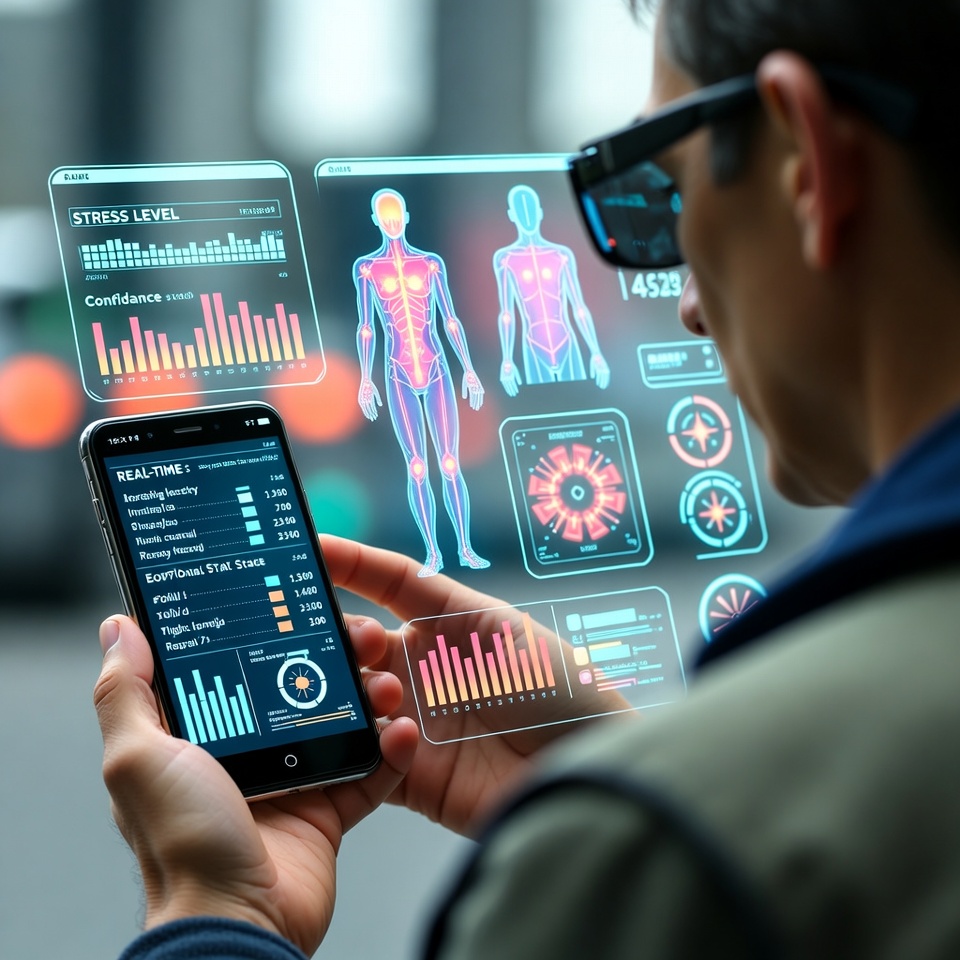
Scenario: By 2030, AI apps analyze facial expressions via phone cameras in real-time, providing instant feedback on emotional states and behavioral tells. Apps like “EmotiCoach” or “Body Language Mirror” would:
– Alert users to stress tells before outbursts: “Your jaw is clenching, cortisol rising breathe” prevents road rage, domestic arguments, or workplace meltdowns.
– Coach confidence before events: “Your posture is shrinking expand” optimizes presentations, dates, or interviews.
– Track emotional patterns: “You show anger tells 3x more on Mondays explore underlying stressors” enables proactive mental health.
Impact: Divorce rates could drop 15-20% as partners recognize and address stress before conflicts explode. Therapy becomes precision-targeted apps identify somatic patterns (chest tension correlating with specific triggers), guiding interventions. Road rage incidents plummet as drivers receive real-time de-escalation coaching.
Risks: Dependence on apps erodes natural emotional intelligence. Privacy nightmares continuous facial monitoring creates data vulnerable to hacking or government seizure. Social anxiety spikes as people obsess over tells, creating hypervigilance disorders. The tech could also enable abusers: monitoring partners’ stress to manipulate or control.
Professional Revolution: Behavioral Fluency as Core Competency
Scenario: By 2035, behavioral analysis becomes standard curriculum MBA programs require “Nonverbal Communication” courses, medical schools train doctors in patient tell-reading, and HR departments hire “Body Language Analysts” instead of relying solely on interviews and resumes.
Hiring transformation: VR simulations place candidates in stressful scenarios (angry customers, tight deadlines, ethical dilemmas) while AI analyzes behavioral responses. Joy, engagement, and problem-solving focus signal competence; frustration, avoidance, and defensive postures flag poor fits. Resumes become secondary behavioral competence trumps credentials. This reduces discrimination (behavior-based hiring ignores demographic biases) but also risks: personality-based rejection, penalizing neurodiverse candidates (autism spectrum individuals show atypical tells), or favoring sociopaths (skilled emotional manipulators).
Negotiation evolution: Professional negotiators achieve 85%+ success rates using Navarro’s techniques reading micro-tells, controlling pace, and building rapport. Law firms hire behavioral consultants for jury selection (reading juror comfort/discomfort during voir dire) and trial strategy (adjusting arguments based on real-time jury reactions). International diplomacy improves negotiators trained in universal tells navigate cross-cultural misunderstandings, preventing conflicts.
Sales and marketing: Retailers use in-store cameras to analyze shopper tells hesitation at price tags (neck touching, lip compression) triggers dynamic pricing or staff interventions. Online sales reps on video calls read customer discomfort, adjusting pitches in real-time. This boosts conversion but feels invasive consumers may demand “behavioral privacy” laws.
Impact: Thin-slice accuracy (75%) revolutionizes hiring, slashing fraud and incompetence. Companies save billions eliminating bad hires. But sociopaths and trained deceivers (who suppress tells through practice) exploit the system. Over-reliance on behavioral analysis could penalize introverts, creating “extrovert bias 2.0.”
Geopolitical and Security Implications: The Spy Wars Escalate
Scenario: By 2040, AI-powered surveillance systems analyze body language at scale airports, borders, embassies, and public spaces become behavioral profiling zones. Espionage evolves into a behavioral arms race.
Counterintelligence advantage: Behavioral AI flags 80% more traitors and spies than current methods. Systems analyze diplomats’ watch-checking patterns (operational stress), students’ library behaviors (systematic collection vs. random browsing), and travelers’ micro-expressions (detecting smugglers, terrorists, or fugitives). The 2010 Russian spy ring would’ve been caught in months, not years. Ramsay’s cigarette tremble would trigger instant flagging.
Spy training counter-evolution: Adversaries train operatives in tell-suppression biofeedback conditioning, mindfulness to control physiological responses, and “method acting” to internalize cover identities (reducing behavioral inconsistencies). The CIA and FSB run “anti-behavioral surveillance” programs, teaching agents to fake authentic tells or mask stress. This creates a cat-and-mouse game: AI improves detection, training improves deception, AI adapts.
Chinese and Russian deep-cover strategies: China’s “thousand grains of sand” expands 100,000+ students collecting intelligence, individually undetectable but algorithmically mapped via aggregate behavioral patterns. Russia deploys more illegals with deeper psychological conditioning decades of living cover stories, reducing tell frequency. Both nations also use deepfakes and synthetic identities to poison behavioral databases (fake training data degrades AI accuracy).
Asymmetric warfare: Terrorists exploit behavioral privacy movements, operating in jurisdictions banning surveillance. Criminal networks recruit neurodiverse individuals (whose atypical tells evade AI) or psychopaths (lacking stress responses) as couriers and operators.
Impact: Espionage becomes exponentially harder spies face omnipresent behavioral surveillance. But false positives (innocent people flagged) create civil liberties crises. Authoritarian regimes use behavioral AI to surveil dissidents, detecting “anti-government stress” and preemptively arresting critics. Democratic nations face a dilemma: security versus privacy. Navarro’s democratized knowledge empowers citizens to recognize and counter manipulation, but also arms governments and corporations with unprecedented control tools.
Societal and Ethical Crossroads
Universal behavioral literacy: If Navarro’s teachings become mainstream taught in schools like math society could achieve unprecedented emotional intelligence. Children learn to self-regulate (recognizing their tells), empathize (reading others’ discomfort), and communicate clearly (aligning words with nonverbals). Mental health improves as people identify stress early; conflict resolution advances as mediators read both parties’ true concerns beneath stated positions.
Manipulation and counter-manipulation: Conversely, widespread fluency enables mass manipulation. Advertisers exploit tells to trigger purchases; political campaigns read focus group tells to craft emotionally manipulative messages; abusers use partners’ stress tells to control. The knowledge becomes a weapon in an arms race everyone reads everyone, trust erodes, paranoia spikes.
Deepfake evolution: As AI generates realistic video, detecting lies via body language becomes obsolete. Deepfakes could show perfect nonverbals (no tells), making video evidence unreliable. Navarro’s tells might shift from visual (cameras can fake) to in-person only forcing high-stakes interactions (negotiations, interrogations, diplomatic summits) back to face-to-face, resisting digital mediation. Alternatively, new tells emerge: deepfakes might miss micro-tells (40ms facial flashes too fast to fake), creating a new detection frontier.
Neurodiversity and mental health: Autism spectrum individuals, people with social anxiety, or trauma survivors show atypical tells (avoiding eye contact, stimming, emotional blunting). Widespread behavioral analysis risks stigmatizing them flagged as “deceptive” or “suspicious” when they’re neurologically different, not dishonest. Ethical frameworks must distinguish pathology from deception. Navarro acknowledges this gap: his training focuses on clusters and context, not single tells, to minimize false flags. Future systems need “neurodiversity calibration” adjusting expectations for atypical populations.
Corporate and governmental overreach: If behavioral analysis becomes cheap and ubiquitous (facial recognition cameras, AI processing), corporations could surveil employees constantly monitoring stress to prevent unions, tracking engagement to optimize productivity, or detecting dissent. Governments could profile citizens en masse China’s social credit system already integrates behavioral data. Navarro’s tools, designed to protect (catching spies, reading threats), could enable totalitarian control if misapplied. Legal frameworks lag technology; by 2040, “behavioral privacy” laws might ban certain surveillance, but enforcement is challenging.
Optimistic synthesis: Alternatively, democratized body language knowledge could function as a deterrent if everyone knows the tells, manipulation becomes harder (like cryptography: widely known algorithms are stronger, not weaker, because attempted hacks are quickly identified). Individuals recognize when politicians, ads, or colleagues manipulate them, building resistance. Trust rebuilds on a new foundation: not naïveté, but informed skepticism balanced with empathy. Navarro’s refugee-to-FBI arc becomes a model knowledge as equalizer, lifting marginalized people to compete with elites.
Broader Cultural Impacts: A Body Language-Literate Civilization
Navarro’s work parallels Malcolm Gladwell’s Blink (2005), which popularized thin-slicing. Gladwell showed snap judgments’ power; Navarro provides the actionable toolkit. If adopted widely:
Education: K-12 curricula include “Emotional Literacy” teaching children to recognize their tells (self-regulation), read peers’ discomfort (empathy), and navigate conflicts (social harmony). Bullying drops as victims recognize predatory tells (dominance postures, aggressive eye contact) and seek help early. Teachers spot struggling students via stress tells, intervening before failure.
Healthcare: Doctors trained in nonverbal analysis detect patient deception (understating pain, hiding addiction) or fear (medical anxiety, treatment avoidance). Emergency responders read trauma victims’ shock tells (freezing, still face, dissociation), adjusting crisis care. Psychiatrists observe therapy patients’ tells to gauge progress decreased ventilating and face-touching signal reduced anxiety.
Criminal justice: Interrogators using Navarro’s methods reduce false confessions (reading innocent suspects’ fear tells vs. guilty deception tells). Juries trained in behavioral analysis evaluate witness credibility more accurately. But risks loom: over-reliance on tells could railroad innocents showing stress (anyone might ventilate or freeze under interrogation fight-or-flight doesn’t prove guilt).
Media and entertainment: Actors study Navarro to portray authentic emotions (Pixar’s animators used micro-expressions to make characters emotionally real). Audiences become sophisticated detecting fake emotions in performances or news anchors. Journalism evolves: interviewers catch politicians’ tells live, confronting them on-air (“Senator, you touched your neck three times discussing that bill what concerns you?”). Political theater becomes transparent voters read debates like FBI agents.
Art and literature: Novelists and screenwriters incorporate precise behavioral descriptions, enriching character psychology. Readers decode subtext authors plant tells (a character’s lip compression during a lie, foreshadowing betrayal). Body language becomes literary grammar, deepening storytelling.
Counterarguments and Limitations: The 20-25% Error Zone
Navarro acknowledges his methods aren’t infallible 75-80% accuracy means 20-25% errors. Critics raise valid concerns:
Overconfidence bias: People trained in tells may become overconfident, diagnosing deception everywhere. Seeing tells where none exist (pareidolia for body language) strains relationships or causes wrongful accusations. The solution: Navarro’s cluster rule (three consistent signals) and context (baseline behaviors, situational factors). One tell is noise; clusters are signal.
Cultural and individual variance: While core stress signals are universal, nuances vary. Eye contact is respectful in the West, aggressive in East Asia; personal space differs radically (Latin America vs. Scandinavia). Autistic individuals avoid eye contact naturally, not deceptively. Traumatized people show chronic stress tells (hypervigilance, frozen faces), mimicking deception. Navarro’s framework requires cultural competence and baseline knowledge knowing someone’s normal before judging deviations.
Manipulation by skilled deceivers: Psychopaths and trained operatives suppress tells through conditioning. Hanssen and Ames operated for decades despite behavioral leaks they minimized frequency and masked stress through compartmentalization (emotional detachment). Actors, salespeople, and politicians master fake confidence tells, fooling even experts. The countermeasure: Navarro advocates long-term observation micro-tells slip over hours or days, even in trained deceivers. Single interactions are risky; patterns over time reveal truth.
Confirmation bias: Observers expecting deception find tells confirming their suspicion, ignoring contradictory signals. This plagues interrogations police believing a suspect is guilty interpret stress tells as guilt, ignoring innocence explanations (anyone would be nervous under accusation). Double-blind protocols (observers don’t know the hypothesis) reduce bias, but real-world application is challenging.
Deepfakes and technological obsolescence: As mentioned, AI-generated videos could fake perfect body language, rendering visual tell-detection obsolete. Navarro’s response: in-person interactions become premium high-stakes negotiations, legal proceedings, and personal relationships revert to face-to-face to verify authenticity. Alternatively, new tells emerge in digital spaces keyboard rhythms, mouse movements, or voice micro-tremors become the next frontier.
Navarro’s Legacy: Arming the Underdog
Navarro’s life purpose “sharing FBI spy experiences to make life easier” reflects his refugee origins. He lacked wealth, connections, or native language fluency, but knowledge became his equalizer. By democratizing elite spy craft, he empowers underdogs: immigrants navigating unfamiliar cultures, employees negotiating with bosses, parents understanding silent children, or abuse victims recognizing predatory tells early.
This is radical. Historically, behavioral analysis was gatekept spy agencies, elite psychologists, or wealthy negotiators hoarded it. Navarro’s books (What Every Body is Saying, Dangerous Personalities), Psychology Today articles, and YouTube talks (millions of views) break that monopoly. Like open-source software disrupting Microsoft, Navarro’s open-source body language disrupts information asymmetry.
Critics argue this “weaponizes” manipulation everyone becomes a would-be FBI agent, eroding trust. Navarro counters: ignorance is worse. Predators already use these techniques (cult leaders, abusers, con artists); arming victims balances power. In espionage, adversaries already train tell-suppression; not teaching American agents or citizens leaves them vulnerable.
The philosophical tension: knowledge as liberation versus knowledge as control. Navarro chooses liberation his refugee experience taught him that the powerless need tools to navigate systems rigged against them. Body language literacy is one such tool, alongside education, legal rights, and economic opportunity.
Conclusion: Arm Yourself with the Silent Code
Joe Navarro’s FBI odyssey proves body language supremacy: faster, harder to fake than words, evolved for your edge. From trembling cigarettes toppling traitors to steepling fingers sealing deals, from furrowed brows revealing doubt to ventilating behaviors exposing stress, the silent code runs constantly beneath conscious awareness. Apply the chain observe behaviors, infer emotional states, adapt strategies and win.
In spy-proofing life, as Navarro urges, “perceive faster, control more.” The stakes transcend espionage: parenting, negotiation, self-regulation, and survival in a deceptive world. Verifiable via his books (What Every Body is Saying, Louder Than Words), validated by Harvard studies (Ambady’s thin-slicing), and field-tested across 25 years catching nuclear traitors and deep-cover illegals this isn’t theory; it’s your new superpower.
The future? A civilization fluent in the silent code where children self-regulate, employees negotiate effectively, and nations catch spies before catastrophe. Or a dystopia where everyone manipulates everyone, trust collapses, and surveillance reigns. Navarro’s bet: knowledge liberates more than it corrupts. Learn the tells, recognize manipulation, and reclaim power from those who’d deceive you.
The body always speaks truth are you listening?


 spysat